
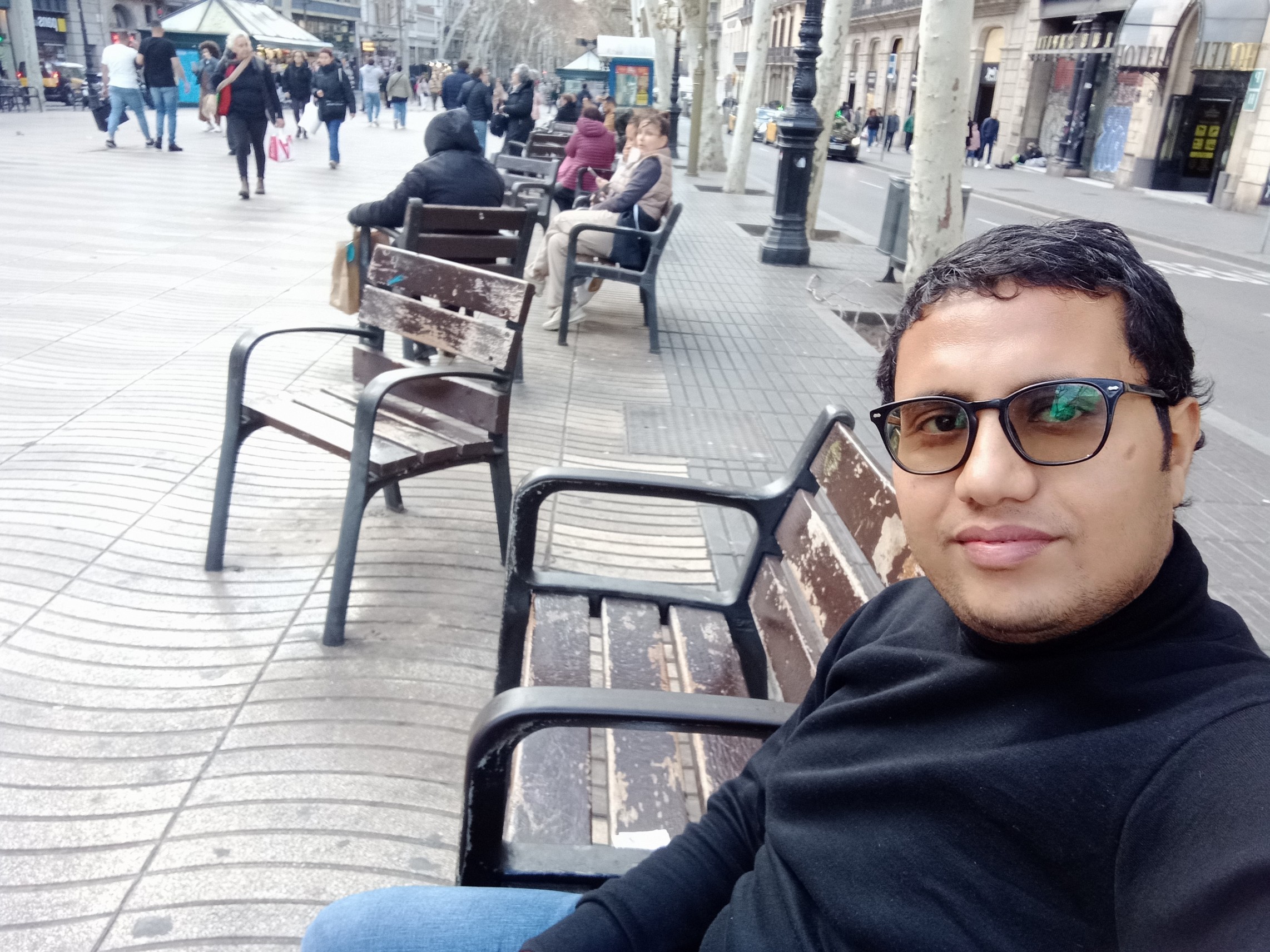
Soumya Sengupta
Hi, I am Soumya Sengupta completed my Graduation from Barrackpore Rastraguru Surendranath College with the major in physics and Master’s from the West Bengal State University with the major in Astrophysics. During my Master’s days, I was interested in cosmology and did my master’s thesis on the nonlinear studies of the Dark energy model of the universe.
PhD details: In 2017, I have joined Indian Institute of Astrophysics (IIA) for my Ph.D. There I started my research on the studies of Dual-AGN systems in galaxy and later switched to the Exoplanetary atmosphere research. I worked under the supervision of Prof. Sujan Sengupta and defended my thesis in Pondicherry University on 2023.
Skills: I have expertise on the analytical and numerical radiative transfer theory, atmosphere modeling, numerical simulations, Atmospheric retrieval techniques, Discrete Space Theory formalism etc.
Research Interest: During my PhD I mainly studied the atmosphere of hot-Jupiters. These are the Jupiters of other solar system, so close to their host stars that they are tidally locked to their host stars and extremely hot! While studying them, we established a method to theoretically estimate the atmospheric circulation in the hot Jupiter from the day side emission spectral data using the radiative transfer code.
Beside this I have independently developed a radiative transfer theory which generalizes Chandrasekhar’s diffuse reflection problem and applicable for the highly irradiated hotter atmospheres. This theory can be used explicitly while studying the ultra-hot planetary atmospheres.
Current work: Currently I am working as a Post Doctoral Fellow at Institut de Ciencies de L’Espai (ICE), CSIC with Prof. Daniele Vigano. My current research interest is to study the long term evolution of hot-Jupiter cooling using the atmospheric radiative and conductive effects.
Extracurricular: I have a training of organizing Teacher Training program and shool outreach activities during my PhD period. I also served as the student outreach organizer in IIA and co-founded the IIA-online magazine DOOT. Beside this I am interested in writing science stories in simple language and accomplished the JAI-AWSAR award in 2020.
Link of publication list: My Publications can be found here: Publications (Google Scholar)
Òscar Morata
My research interests have always been related to star formation, especially dense cores in molecular clouds, and astrochemistry. As such I have an extensive observational expertise at radio wavelengths, using both single-dish telescopes and inteferometers, for continuum and spectral line observations, from cm to sub-mm wavelengths.
I obtained my PhD in the University of Barcelona in a project combining single-dish and interferometric observations of stellar and pre-stellar cores and using chemical modeling of the molecular gas to explain the different spatial distributions of several of the detected molecular species. Later, I spent two years as a post-doc at the Ohio State University, working with Prof. Eric Herbst in the modeling of the chemistry of photon dominated regions (PDRs). After that, I spent a decade at the Academia Sinica Institute of Astronomy and Astrophysics (ASIAA), first as an ALMA postdoc and then as a support astronomer, working in several projects related to astrochemistry and also got involved in the project that developed the Band 1 receiver for ALMA as the Project Scientist for the ALMA Band 1 Development Project. Coming back to Europe, I had a visiting position at ESO for about 3.5 years, mainly working on the search of very young protostars.
My current main research interests are the search for very young proto-brown dwarfs in nearby star forming regions and the study of the structure and properties of dense cores in molecular clouds. I have also become very interested in reproducible research and in exploring possible ways to make a much more efficient and reliable data processing and analysis workflow.

Rebeca Pirvu Malanda
Rebeca is a young researcher who defended her master thesis on “The Quest for Radio emission in Exoplanets and Brown Dwarfs”, in the High Energy Physics, Astrophysics and Cosmology master of the Autonomus University of Barcelona, in July 2023. She dealt with the identification of promising targets for radio emission and has been involved in data analysis and proposals.
Fabio del Sordo
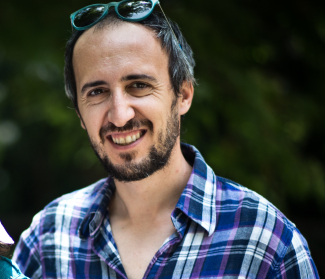
Fabio del Sordo is a Marie-Curie fellow who leads his project on star-planet interaction. Fabio has a vast experience in numerical modeling of dynamo, and he is an added value to our team. He got his PhD in Stockholm under the supervision of Axel Brandenburg, and worked in different institutes in Italy and Greece. He took a three-year career break to fully dedicate himself to fatherhood, and recently came back to astrophysics.
Taner Akgün
Taner has a bachelor’s degree in physics from Bilkent University (Turkey), and completed his master’s degree and Ph.D. in astrophysics at Cornell University (USA). His interests and experience span various fields of physics, mathematics and programming, including magnetohydrodynamics, electromagnetics, mechanics, spectral analysis, data modeling, numerical simulations, mathematical physics and statistical analysis. He is particularly interested in magnetic field equilibrium, stability and evolution in astrophysical settings, ranging from planets to neutron stars, and has worked at various centers around the world on these topics as a postdoctoral researcher, including Cornell University (USA), Pontificia Universidad Catolica (Chile), University of Alicante (Spain) and Institute of Space Sciences (Spain). He has also worked as a researcher in plasma physics at Barcelona Supercomputing Center (Spain) and has extensive experience in programming.Taner acts as a referee for scientific publications, has given a number of astronomy lectures and talks at international centers and conferences, and has participated in the preparation and management of several multinational projects funded by the Chilean government and the European Commission.
Within the project, Taner deals with the expplanet evolutionary models, using mostly MESA.
Simranpreet Kaur
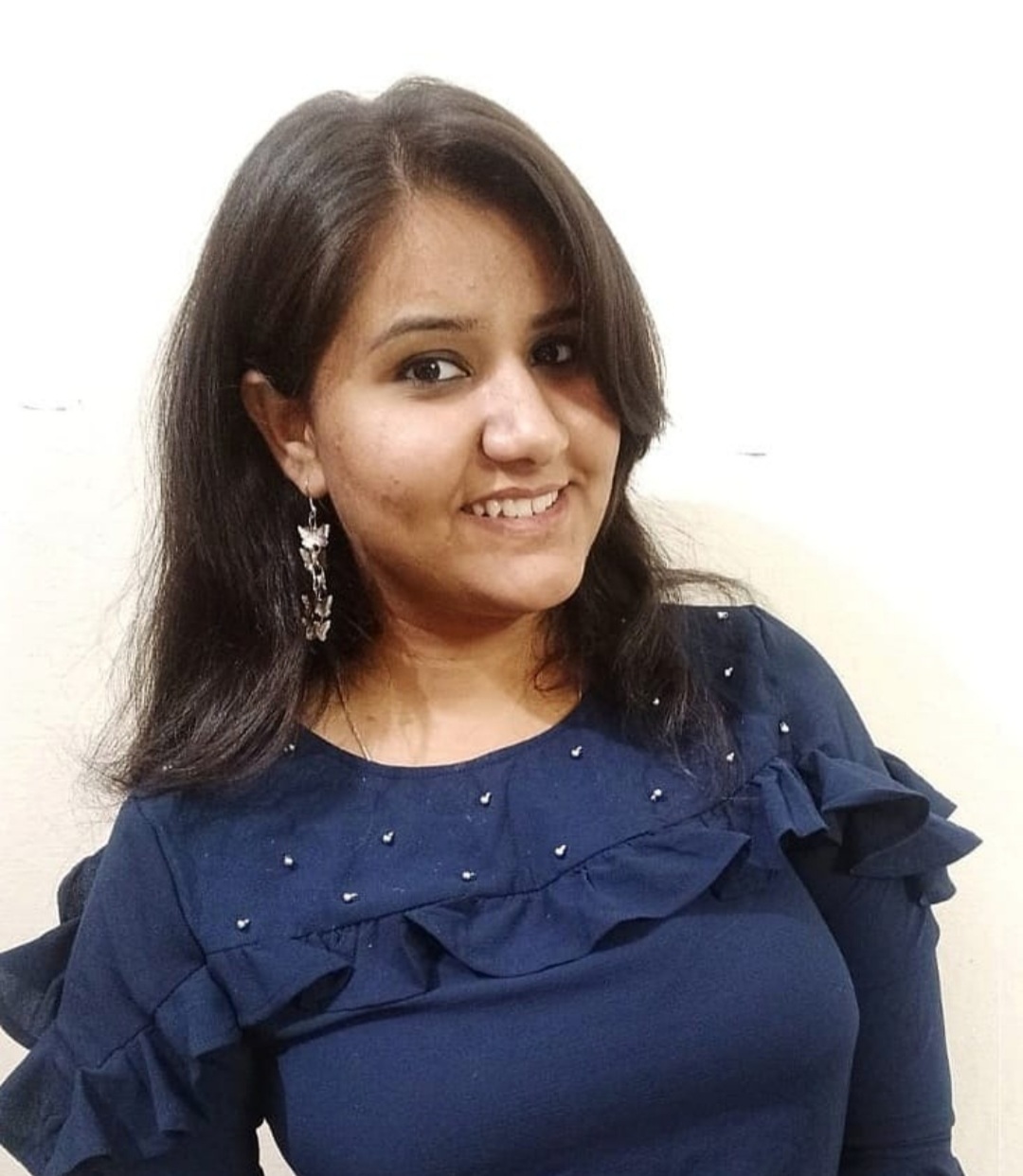
Simranpreet graduated with honours in Physics from Guru Nanak Dev University, India in 2020. During her bachelor’s and master’s degrees, she was a part of different research groups in India, specifically in the areas of quantum physics and atomic physics. In her master’s thesis, she studied the influence of black body friction forces on Rb and Cs atoms which have a wide range of applications in high precision measurements.
Although her prior research experience is concentrated in atomic and quantum physics, her interest primarily lies in untangling the mysteries of the universe, especially those concerned with radio astronomy and exoplanets. Following this, her doctoral work focuses on the quest for radio emission from magnetised exoplanets and heavier sub-stellar objects, with the aid of various radio facilities functioning across the globe, especially GMRT. She has been leading several observational proposals and takes care of the data analysis.
Apart from being involved in research activities, Simranpreet also takes interest in science communication. Since 2016, she has been working as an editor and content creator for an online astronomy platform named “The Secrets of the Universe”, having more than 1.5 million global followers across Facebook, Instagram and YouTube at present.
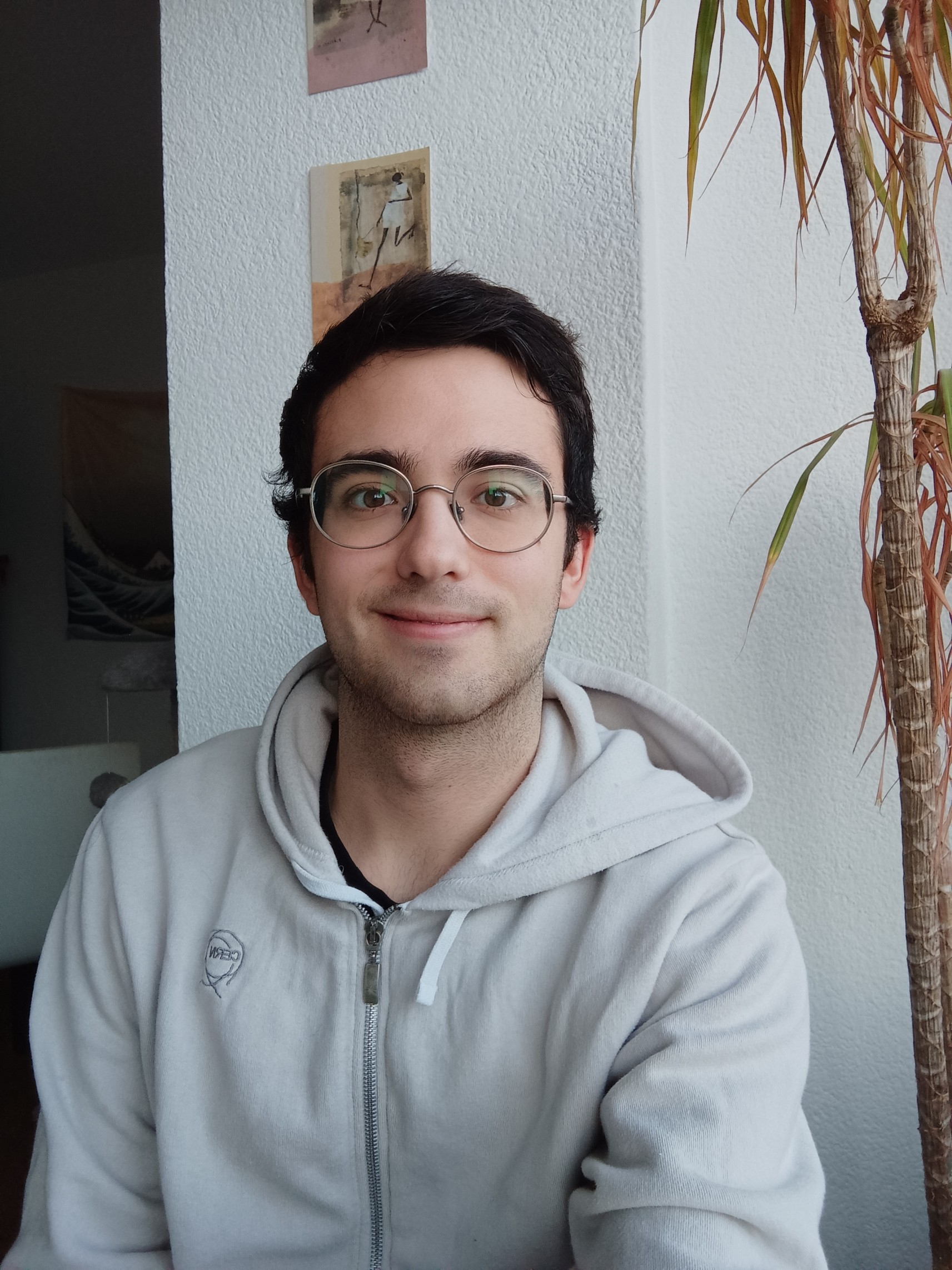
Albert Elias López
Albert studied the double bachelor’s degree in Physics and Chemistry in the Autonomous University of Barcelona, graduating in 2019. The following year he enrolled in the master’s degree in High energy physics, Astrophysics and Cosmology offered by the same university and organized by IFAE and ICE. The bachelor’s thesis involved the optimization of the event selection procedure of the vector-boson-fusion Higgs production mechanism to a ditau decay. During the master’s degree he became more interested in astrophysics than particle physics, and thus the master’s thesis involved research in gravitational wave detection using deep neural networks. Both thesis were carried alongside researchers in the Atlas group and Virgo group in IFAE, respectively.
The next academic academic chapter is a PhD research position within the IMAGINE project. He now focuses on the magnetic field creation and evolution of planetary bodies, which involves how different physical phenomena (such as turbulence, or chemical and thermal convection) influence the internal dynamo action. The final objective is to clarify the long term magnetic evolution and its dependence the size, composition and the cooling processes.
He has also worked as a high-school and university tutor which provided experience in science teaching and communication. Albert has given lectures on physics, chemistry and mathematics to all high-school levels and some university courses such as Calculus, Algebra, and introductory courses of physics and chemistry.
He defended his PhD in October 2025 and is now a post-doc in Leiden Observatory.
Clàudia Soriano Guerrero
Claudia graduated with a bachelor’s degree in physics from the Autonomous University of Barcelona (UAB) in 2020. During her undergraduate studies, she actively participated in research within various groups and institutes. In 2018, she was a part of the Radiation department at UAB, where she occasionally collaborated with the Raman LIDAR CTA group and the meteorological data project at the MAGIC Weather Station. In 2019, she completed a research stage at the Institute of Space Sciences (ICE), focusing on searching for observational evidence of active galactic nuclei in compact elliptical galaxies and studying them experimentally.
In 2020, Claudia completed her bachelor’s thesis at the Institute for High Energy Physics (IFAE), which involved optimizing a discriminant to differentiate Higgs Boson signals from other processes predicted in the Standard Model.
Starting in 2020, she pursued a master’s degree in astrophysics, particle physics, and cosmology at the University of Barcelona (UB). Her master’s thesis concentrated on analyzing new data for the PGC012519 compact elliptical galaxy, a proposed candidate for a relic seed, using spectroscopy from the Gran Telescopio Canarias.
Currently, Claudia is a PhD candidate in the IMAGINE project, where she is researching planetary cooling.
She is keenly interested in planet and exoplanet sciences, particularly in studying these celestial bodies and developing techniques, tools, and instruments to extract information from them. Additionally, she has a fascination with the quest for extraterrestrial life on planets within our solar system and exoplanets. She is also intrigued by the space exploration industry and the potential for space settlement. In pursuit of this interest, she is an active member of the Space Generation Advisory Council, where she serves as the co-chair of the planetary group responsible for contributing to the Space Exploration Roadmap.
Claudia is also passionate about science communication and outreach. She co-founded the Catalan Association for Physics Students, actively participating in organizing talks, seminars, and visits to research centers. Currently, she holds the position of event manager at WIA-BCN (Women in Aerospace), further contributing to the aerospace community.
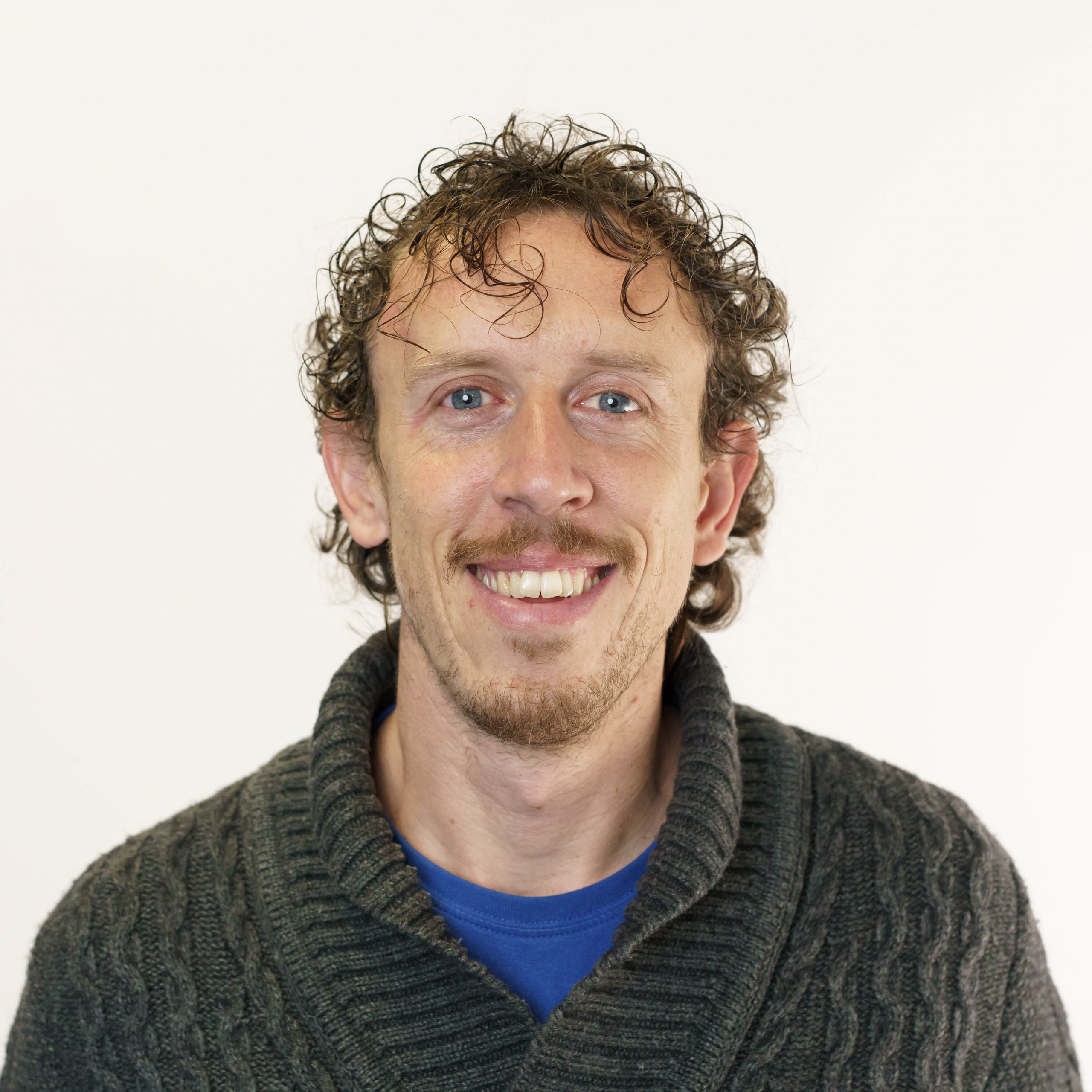
Daniele Viganò
I have diverse research interests, mostly revolving around magnetic fields. Recently, through IMAGINE, I started investigating the magnetic fields in exoplanets, from both theoretical and observational point of view. Since 2023, I have been appointed as permanent staff member at ICE (Staff Scientist, “Científico Titular”).
My astrophysical expertise was devoted mainly to the theoretical, numerical and observational study of neutron stars. After having studied in Italy, I obtained the PhD at the University of Alicante in 2013, with an awarded thesis, Magnetic fields in neutron stars. I obtained breakthrough results regarding the evolutionary models of isolated neutron stars, which are considered the state of the art by the community. Then, I moved for the first time to the Institute of Space Sciences (ICE IEEC-CSIC, Barcelona), where I dealt with observations in X-ray and theoretical modelling of pulsars’ gamma-ray emission. In 2017 I joined the Gravity and Relativity group at the University of Balearic Islands (Majorca), where I led the high-performing-computing line of research about small-scale instabilities yielding MHD turbulence in binary neutron star mergers, providing a novel approach based on Large Eddy simulations. Then, in 2019 I returned to ICE, to lead the new 3D neutron stars magneto-thermal code development within the ERC Consolidator Grant Magnesia (PI Nanda Rea). I have several weeks/months-long visits in, e.g., USA, Netherlands, UK.
I am currently part of CARMENES (Star-Planet Interaction working group). I am also currently in the Night Time Allocation Committee of the Canary Islands optical/infrared Telescopes (2023-2024 calls).
My work and research expertise is not only related to astrophysics. As a matter of fact, in 2015 I took a break to attend the specializing master “RIDEF 2.0” in Renewable Energies and Energy Efficiency in Milan, Italy. This allowed me to work in the field of international cooperation. First, I worked for CIRPS (Interuniversity Center of Research for Development) in several projects of renewable energies and drinkable water in small rural communities of Central America and East Africa, as on-site technical assistant for the construction of small power plants. Then, I went on to work in the private sector as project manager for the EU-funded construction of photovoltaic power plants in Uganda and Eritrea, before going back to astrophysics. I still maintain ties and interest in the field, and I actively supports the work of NGOs on the field (see Network).
I have extended experience in supervising, teaching and divulgation at all levels for different targets and topics (astrophysics, environment, energy), as classes (primary, high school, Master), talks to general or specialized public, seminars and workshops. Within ICE, I am the head of the Teaching Committee, and the internal coordinator of the Master “High Energy Physics, Astrophysics and Cosmology” of the Autonomous University of Barcelona (taught jointly with IFAE).
Publications (ADS)
